


Which Platform Should You Choose for Global E-commerce? A Comparison of 4 Open-Source E-commerce Systems with Multi-Language and Multi-Currency Support

BeikeShop Official Website: beikeshop.com
BeikeShop is a premier open-source e-commerce system built on the Laravel framework. Specifically designed for cross-border trade, it offers a fully customizable, multi-language, and multi-currency solution for businesses looking to scale their independent global storefronts.
Cross-border e-commerce has one non-negotiable requirement: multi-language and multi-currency.
Your customers might be browsing in German, paying in US dollars, and inquiring in Japanese — if your store supports only one language and one currency, overseas shoppers may find it harder to understand and buy from your store.
CSA Research's 2020 survey of 8,709 consumers in 29 countries found that 76% of online shoppers prefer to buy products with information in their native language, while 40% said they would never buy from websites in other languages. A 2025 survey cited by Statista found that 45% of respondents listed prices in local currency as a factor that would encourage them to buy from foreign stores. CSA Research Statista
So multi-language and multi-currency aren't merely "nice-to-haves" — they are core capabilities for serving overseas markets.
The question is: which open-source e-commerce systems suit multi-language and multi-currency scenarios? This article compares 4 major solutions to help you choose an appropriate internationalization platform.
1. What Makes Multi-language Multi-currency Hard?
Many people think "multi-language is just adding a language pack, multi-currency is just changing a currency symbol" — that's naive.
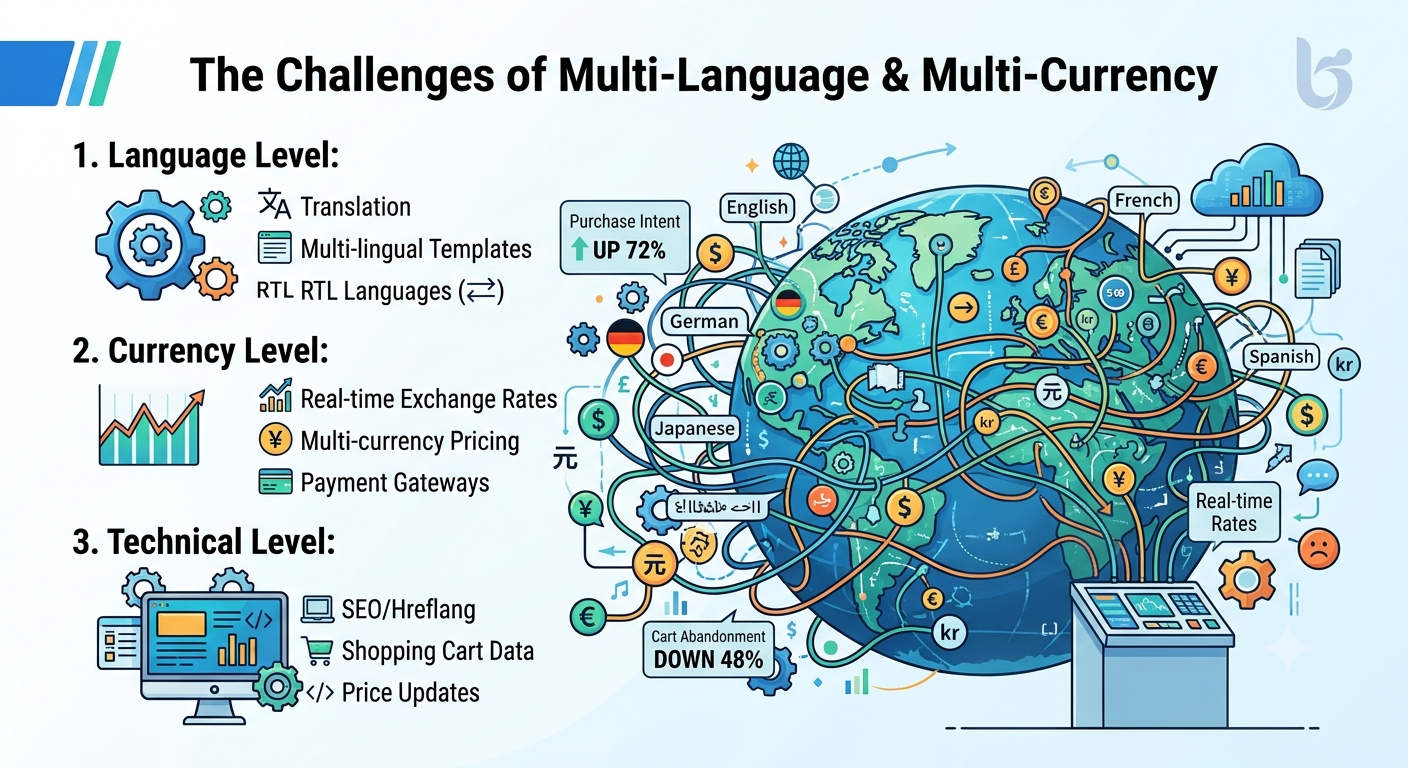
True multi-language multi-currency involves these details:
1. Language layer
- Front-end interface translation (menus, buttons, prompts)
- Multi-language versions of product names and descriptions
- Multi-language URL adaptation (SEO-friendly)
- Multi-language email/notification templates
- RTL language support (Arabic, Hebrew — right-to-left)
2. Currency layer
- Multi-currency display and switching
- Real-time exchange rate updates
- Per-currency pricing (same product, different prices in different markets)
- Payment gateway multi-currency support
- Exchange rate handling for refunds
3. Technical layer
- Language switching without losing cart data
- Real-time price updates on currency switch
- Search engines correctly indexing multi-language pages (hreflang tags)
- Multi-language SEO without conflicts
Systems that handle all of these deserve the label "true multi-language multi-currency."
2. Four Multi-language Multi-currency E-commerce Systems
1. BeikeShop — A Suitable Option for Chinese Cross-Border Teams
Multi-language capabilities:
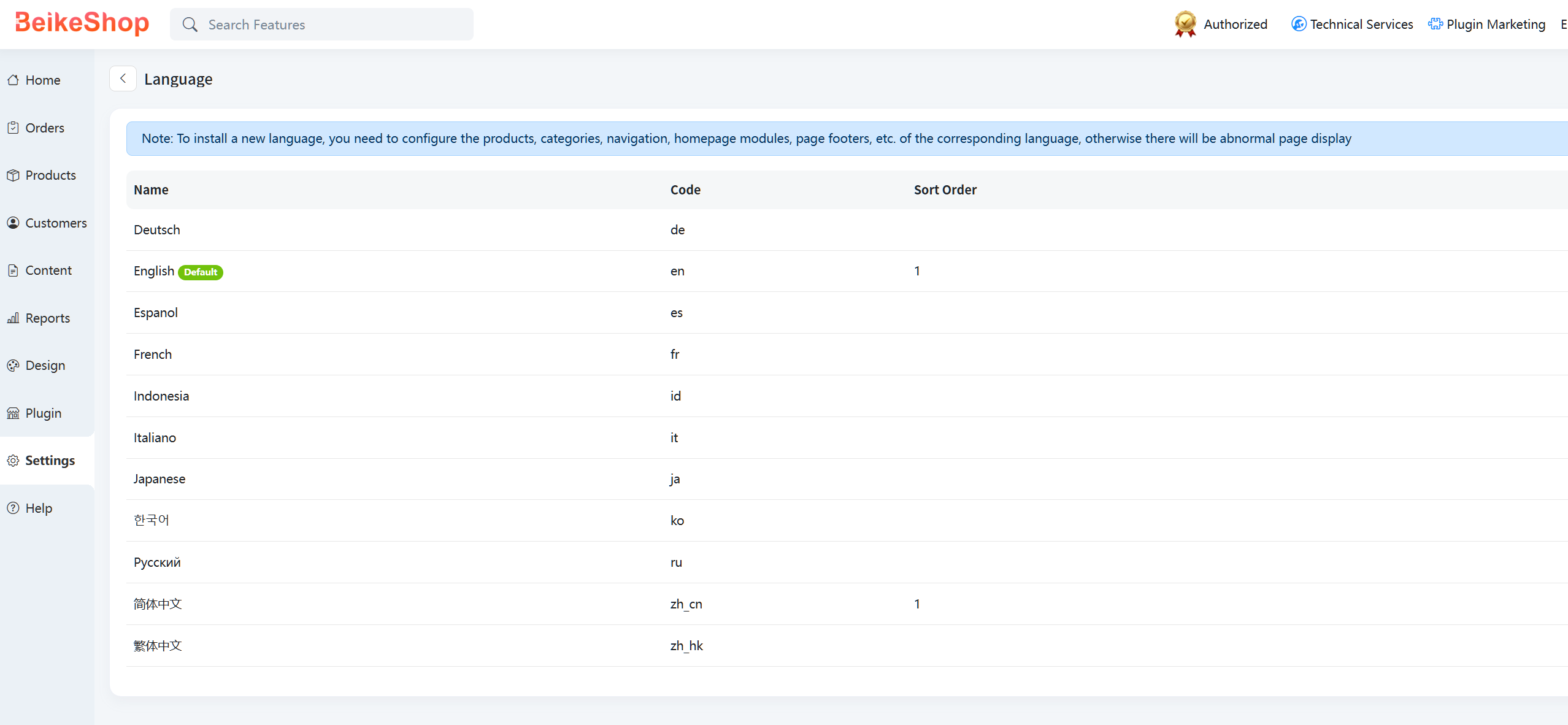
- ✅ 11+ language packs built-in
- ✅ AI-assisted translation — one-click generation of multilingual product-information drafts
- ✅ Multi-language URL adaptation (SEO-friendly)
- ✅ Multi-language email templates
- ✅ RTL language support (select language packs)
Multi-currency capabilities:
- ✅ Multi-currency free switching
- ✅ Automatic exchange rate updates (real-time exchange rate API)
- ✅ Set default currency by market/region
- ✅ Payment gateway multi-currency support
Unique advantages:
- Chinese ecosystem — designed to be more accessible for Chinese cross-border sellers
- AI translation assistance — can generate context-aware drafts; human review remains recommended
- Core capabilities built in — reduces reliance on extra plugins
- Relatively lightweight — actual performance depends on infrastructure, catalog size, and extensions
Best scenarios: Chinese cross-border sellers, global-market stores, teams needing rapid multi-language expansion.
Overall rating: ⭐⭐⭐⭐⭐ (Worth evaluating for Chinese cross-border teams)
2. PrestaShop — The Veteran European Internationalization Solution
Multi-language capabilities:
- ✅ 75+ language packs (community-contributed)
- ✅ Multi-language URLs
- ✅ Multi-language email templates
- ⚠️ RTL language support requires additional configuration
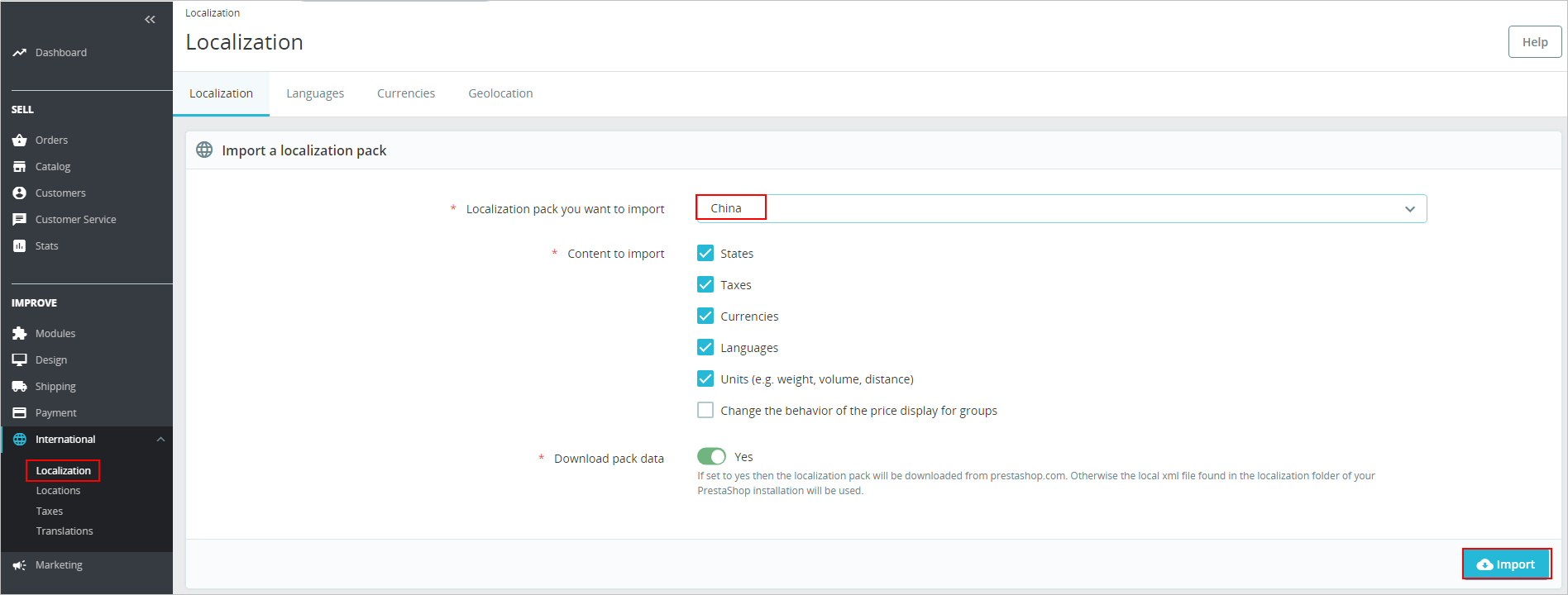
Multi-currency capabilities:
- ✅ Multi-currency support
- ✅ Manual/automatic exchange rate updates
- ⚠️ Market-based pricing requires paid modules
Unique advantages:
- Most mature European market ecosystem
- Rich European local payment/logistics integrations
- Multi-language translation quality maintained by community — generally good
Limitations:
- Many advanced internationalization features require paid modules
- Chinese language pack quality is average
- Configuration complexity is high
Overall rating: ⭐⭐⭐⭐ (Suitable for teams that value the European local ecosystem)
3. Magento — An Enterprise-grade Internationalization Option
Multi-language capabilities:
- ✅ Unlimited language packs
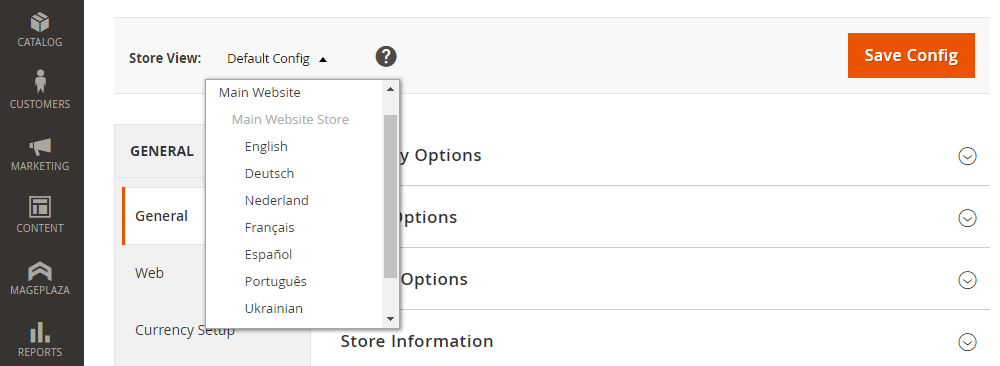
- ✅ Per Store View language configuration
- ✅ hreflang tags can be implemented through configuration or extensions
- ✅ RTL language solutions are supported
Multi-currency capabilities:
- ✅ Per Store View currency settings
- ✅ Market/region-based differentiated pricing
- ✅ Automatic exchange rate updates
- ✅ Complete currency switching experience
Unique advantages:
- Comprehensive internationalization configuration for complex business needs
- Fine-grained Store View configuration
- Powerful multi-site multi-language capabilities
Limitations:
- Too heavy — high server resource needs, high operational costs
- Requires professional development team
- Implementation and long-term maintenance costs are typically high
- Not friendly to SMB teams
Overall rating: ⭐⭐⭐⭐ (Broad capabilities, with a higher implementation threshold)
4. WooCommerce — WordPress Ecosystem's Multi-language Solution
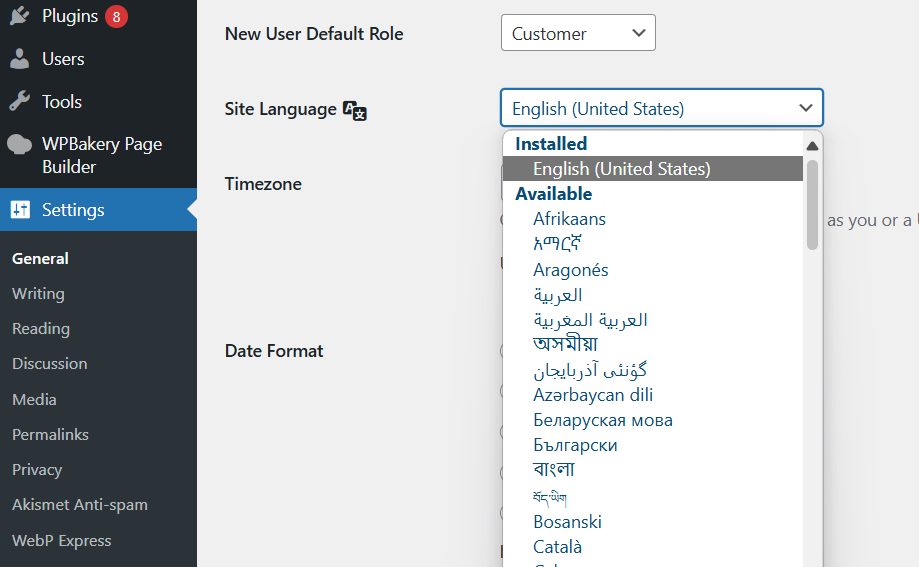
Multi-language capabilities:
- ⚠️ Requires WPML or Polylang plugin ($39-$199/year)
- ✅ Decent multi-language capability with WPML
- ⚠️ Translation quality depends on translators/plugins
Multi-currency capabilities:
- ⚠️ Requires WooCommerce Multi-Currency plugin ($0-$99/year)
- ✅ Basic multi-currency functionality works
- ⚠️ Advanced features need additional plugins
Unique advantages:
- Massive WordPress ecosystem, many multi-language plugin options
- Content marketing and e-commerce on same platform
- Low entry barrier
Limitations:
- Multi-language and multi-currency entirely plugin-dependent
- Potential plugin conflicts
- Performance degrades as plugins increase
- Not a "native" multi-language solution
Overall rating: ⭐⭐⭐ (Works but not optimal)
3. Comprehensive Comparison Table
| Dimension | BeikeShop | PrestaShop | Magento | WooCommerce |
|---|---|---|---|---|
| Language Packs | 11+ | 75+ | Unlimited | Plugin-dependent |
| Multi-lang Built-in | ✅ | ✅ | ✅ | ❌ Needs plugin |
| AI Translation | ✅ | ❌ | ❌ | ❌ |
| Multi-currency Built-in | ✅ | ✅ | ✅ | ❌ Needs plugin |
| Auto Exchange Rates | ✅ | ✅ | ✅ | Partial |
| Market-based Pricing | ✅ | Needs module | ✅ | Needs plugin |
| hreflang Implementation | Varies by version/configuration | Varies by version/configuration | Varies by version/configuration | Typically requires a plugin |
| RTL Support | Partial | Needs configuration | Supported through solutions | Needs plugin |
| Chinese Support | ✅ Native | ⚠️ Average | ⚠️ Average | ⚠️ Average |
| Additional i18n Software Cost* | Core capabilities built in | Advanced features usually require paid modules | Core capabilities available; implementation and maintenance are costly | Paid plugins are commonly required |
*This row covers only internationalization-related software or plugin costs. It excludes hosting, human translation, custom development, and daily operations; actual costs vary by version, extensions, and service provider.
4. Key Multi-language SEO Points for Cross-Border Commerce
Multi-language isn't just about "translating content" — SEO is an important part of it.
If multilingual SEO is poorly implemented, search visibility and organic traffic in target markets may suffer.
5 key points:
1. hreflang tags must be correct Tell Google what language a page is in and what market it targets. Implementation and setup requirements vary by platform version and extension.
2. URL structure should be clear
- Subdirectory approach:
/zh/,/en/,/de/(recommended) - Subdomain approach:
zh.site.com,en.site.com - Independent domain approach:
site.cn,site.de
Choose an URL structure based on your site scale, domain strategy, and operational capacity.
3. Each language needs independent content Not simple machine translation — each language's content should be locally optimized for the target market.
4. Multi-language Sitemap Generate separate Sitemaps for each language to help search engines index correctly.
5. Performance considerations for multi-language Multi-language means more pages, larger databases. Consider multi-language performance when choosing a system.
💡 BeikeShop note: Some multilingual SEO capabilities can be configured with core features. AI translation can accelerate drafting, but localized content should still be reviewed by people.
5. Recommendations by Target Market
Global market (English + multi-language): → BeikeShop or Magento. BeikeShop is more accessible for Chinese teams and offers AI translation assistance; Magento suits teams with more complex needs and sufficient technical resources.
European market (German/French/Spanish/Italian): → PrestaShop. Its European ecosystem and local payment and logistics extensions are relatively extensive.
Southeast Asian market (Thai/Vietnamese/Indonesian/Malay): → BeikeShop. AI translation can assist with content in less common languages, and the platform is relatively accessible for Chinese teams.
Middle Eastern market (Arabic/RTL): → Magento or BeikeShop. Test Arabic pages, RTL layouts, and the payment flow before launch.
Japanese/Korean market: → BeikeShop. Confirm that language packs, payment methods, and localization quality meet business requirements before launch.
6. How to Choose? Summary Recommendations
| Your Situation | Recommended System |
|---|---|
| Chinese cross-border seller, global market | BeikeShop (worth evaluating) |
| European focus, need local ecosystem | PrestaShop |
| Large enterprise, ample budget | Magento |
| Existing WordPress team | WooCommerce + WPML |
| Limited budget, less common language markets | BeikeShop (AI translation can lower content-production costs) |
Final Thoughts
Multi-language and multi-currency are important capabilities to evaluate when entering overseas markets.
If a system does not fit your business needs, it may increase the cost of plugin management, content translation, and SEO configuration.
With a suitable system, teams can focus more on their business while continuing to manage content localization and international operations.
For Chinese cross-border seller teams, BeikeShop is one option worth evaluating — with 11+ language packs, AI translation assistance, multi-currency capabilities, and Chinese ecosystem support. The specific availability of core capabilities should be confirmed against the current version and selected extensions.
After the basic deployment, validate multilingual, multi-currency, payment, and logistics compatibility for your target market.
Welcome to contact us! Email: marketing@guangda.work
Click the link to learn about the product: https://beikeshop.com/
All rights reserved. Reprint must indicate the source!